

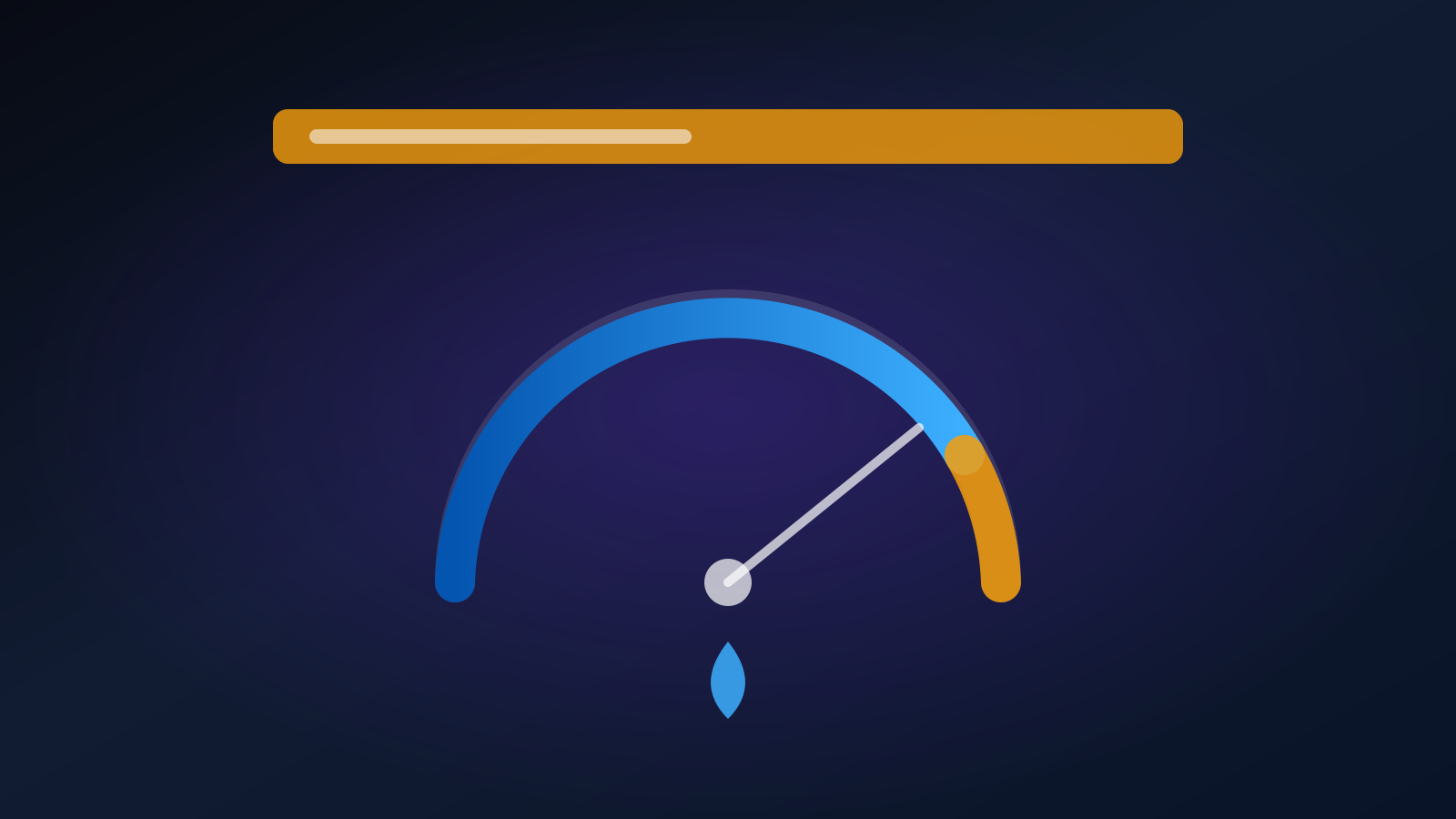
An AI subscription has a limit. If it hits in the middle of the day, your system has to know what carries on, what waits and what may never quietly switch to the more expensive API.
A booking platform I work on uses AI in many places: an assistant in the admin, draft replies in the mailbox, a builder and tester on the task board, translations. It runs on one AI subscription, and that subscription has a limit per five hours and per week. Most of the time you do not notice. But if the limit hits in the middle of a busy day, the system has to know what to do.
The choice in advance
There are two easy answers, and both are wrong. Stopping everything until the reset leaves customers waiting for work that simply has to happen. Silently switching everything to the API, which is paid per use, can produce a bill within a few hours that nobody saw coming.
So the starting point became: the system keeps working at a low flame through the API, and it never runs up costs unnoticed.
What carries on, what waits
- Draft replies in the mailbox carry on through the API, in small batches of at most five per round.
- Updating availability simply carries on; that is core work.
- The builder and tester finishes the run that hit the limit through the API. After that it starts nothing new until the reset. A task an administrator marks as urgent is allowed.
- The admin assistant answers after a confirmation per question. You then see: the credits are used up, is your question urgent? One click and that single question goes through the API. The next one asks again.
- The continuous learning of the assistant already stops at an estimated 90 percent of the limit, and never goes through the API. Learning can wait.
What deliberately does not switch
Translation is outside this arrangement. If the chosen translation engine fails, the translation fails out loud and a person picks another one. Two engines that silently take turns produce texts with two voices, and you only notice when a customer does.
Always visible
A system that switches to the API has to show it. While the limit lasts, an orange bar at the top of the admin says until roughly when. A line goes into the log, and at the start of a limit one mail is sent. Usage through the API appears in a budget overview, with a mail at 80 and at 100 percent of the monthly budget.
Whether the limit is nearly reached is an estimate. The system only knows for sure when a limit message arrives. With every message the estimate is recalibrated.
What I take from this
Treat an AI limit as an outage that will certainly come, and decide per task in advance: carry on, wait or ask. Never leave the expensive path open by default, and make every switch visible. More on how the AI tasks are divided is in from one AI assistant to an AI team. Want AI in your business without surprises on the bill? Have a look at the contact page.
Frequently Asked Questions
- Why not simply run everything through the API when the limit is reached?
- Because the API is paid per use. A system that silently switches over at every limit can cost a lot of money within a few hours. So only work that cannot wait goes through the API, and the rest waits for the reset.
- Why does translation not switch to another engine by itself?
- Two engines that silently take turns produce texts with two voices. So a translation fails out loud and a person chooses another engine.
- How do you know the limit has been reached?
- An orange bar appears at the top of the admin, a line goes into the log and a mail is sent at the start of each limit. After the reset everything goes through the subscription again by itself.